Travel Experiences

Best Time to Visit Canada and Alaska for a Well-Paced Journey

best time to visit Canada and Alaska

Canada and Alaska are not difficult destinations, but they do ask for good timing. That matters more here than many travellers expect. A trip through the Rockies and into Alaska can feel open, calm, and beautifully paced in one month, then noticeably busier or less comfortable in another.

That is why the best time to visit Canada and Alaska is not really about chasing a single perfect season. It is about choosing the version of the journey that suits you best. Some travellers want bright turquoise lakes, long daylight hours, and full summer energy. Others want quieter towns, gentler pacing, and a little more space around them.

Both countries offer a lot, but they reveal themselves differently across the season. Mountain scenery changes with snowmelt and light. Cruise conditions shift with the calendar. Wildlife viewing has its own rhythm. Even the feel of a day changes depending on when you go.

If you are trying to work out the best time to visit Canada and Alaska, it helps to think beyond weather alone. The better question is this: what kind of journey do you want to have once you are there?

Why timing shapes the whole journey

Canada and Alaska cover a lot of ground. That sounds obvious, but it matters. A journey here usually includes long scenic drives, changing landscapes, and steady movement between places. You are not staying in one city and taking short day trips. You are moving through a broader region, and the season affects how that feels.

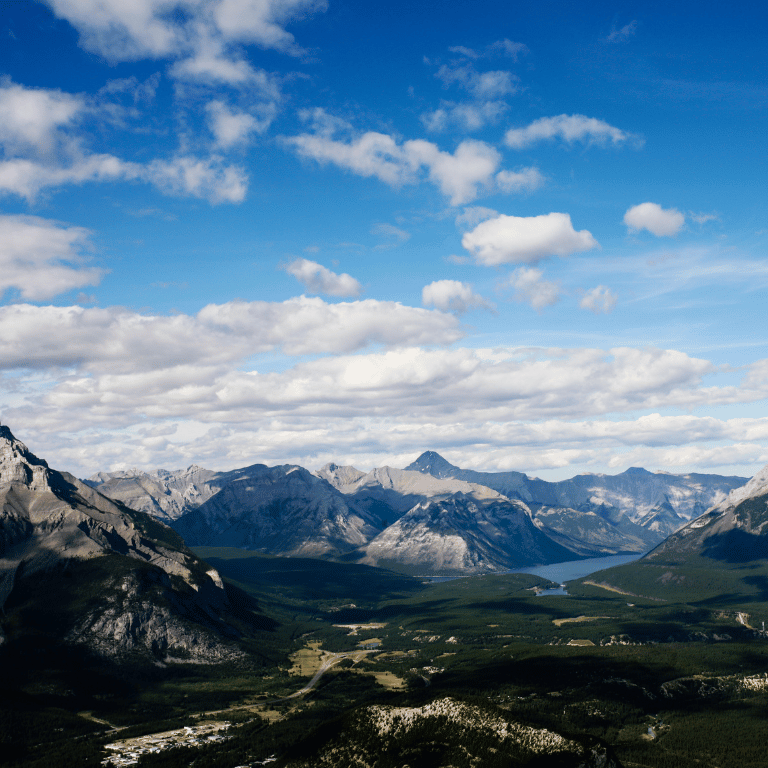
In the Canadian Rockies, timing influences lake colour, road access, walking conditions, and even how the mountains sit in the light. Earlier in the season, you may still see snow on higher peaks. Later on, the lakes brighten, trails open up, and the scenery feels more settled.

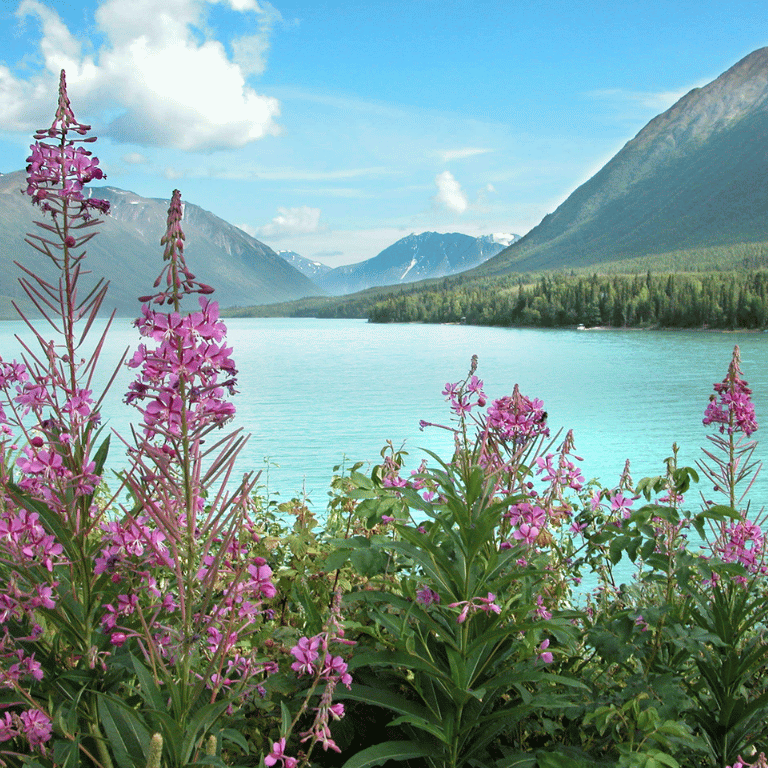
Alaska works a little differently. Cruise season has a defined window, and that shapes most itineraries. Ports feel more active in peak season. Wildlife patterns shift across the summer. Some travellers enjoy the lively feel of high season. Others prefer the softer edge of late summer, when the pace can feel less intense.

This is why the best time to visit Canada and Alaska depends on the full shape of the journey. If you only look at one place in isolation, the answer can feel simple. Once you combine mountain regions, cruise routes, and long distances, timing becomes part of the experience itself.

What each part of the season feels like

Late June often feels fresh and clear. In the Rockies, there is still contrast in the landscape. You might see snow sitting high above bright green forests and blue lakes. The air can feel crisp, and the scenery has that early summer sharpness many travellers love. Days are long, which helps the trip feel relaxed even when you are covering ground.

July brings a strong sense of ease. Roads are open, sightseeing flows well, and the mountain towns are fully in season. This is when many travellers feel the trip becomes simple in the best sense. You are not second-guessing conditions or working around seasonal limitations. You can settle into the journey and enjoy it.

August keeps much of that ease, but it often feels a little more grounded. The landscapes still look rich and expansive. Cruise season remains strong. Wildlife viewing continues to be part of the appeal. For many people, August offers one of the most balanced versions of the trip.

Early September can be a very good choice for travellers who prefer a quieter atmosphere. The light starts to change. Some places feel calmer. You may notice a little more breathing room in popular areas. The scenery still holds up well, but the mood shifts. It can feel less like peak holiday season and more like a thoughtful stretch of travel before autumn takes hold.

That is one reason the best time to visit Canada and Alaska often comes down to personality as much as conditions. Some people feel energised by a destination when it is fully alive. Others enjoy it more once the pace softens.

When the Rockies and Alaska each shine

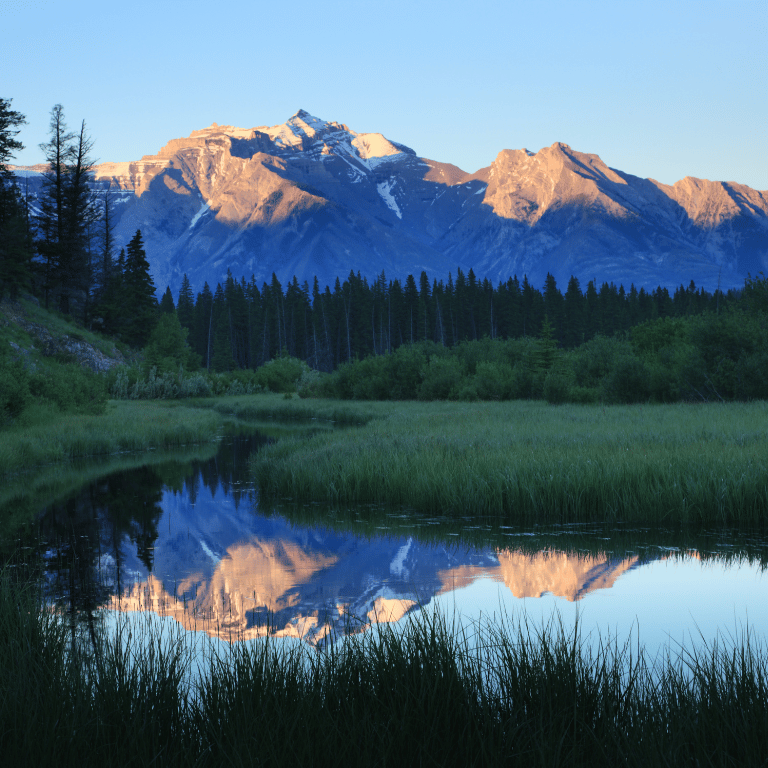
The Canadian Rockies usually look their best between late June and early September. That is when travellers get the classic combination people hope for: open roads, vivid lakes, accessible viewpoints, and long daylight hours. If the mountain portion of the trip matters most to you, July and August are often the easiest months to work with.

Those months tend to deliver the most consistent version of the Rockies. You can move comfortably between places like Banff, Lake Louise, and Jasper without the journey feeling interrupted by the season. That consistency matters, especially for first-time visitors. It allows the scenery to be the focus.

Alaska cruises also sit comfortably in that broader summer window. By mid-summer, conditions usually feel reliable, ports are active, and scenic cruising feels like a natural extension of the land journey. You are not forcing two separate trips together. The transition makes sense.

This is where the trip starts to feel cohesive. The mountains give you scale, stillness, and those huge inland views. Alaska changes the rhythm. Once you are on the water, everything slows a little. The scenery becomes wider. The days take on a different cadence. That contrast is one of the strongest parts of the journey.

So when people ask about the best time to visit Canada and Alaska, the answer often lands around the same period for a reason. Late June through early September works well because both parts of the trip align. You are not choosing the best month for one region and compromising badly on the other.

best time to visit Canada and Alaska

How to choose well, and why pacing matters

If you want the easiest overall travel experience, July and August are usually the strongest choices. They offer a reliable balance of scenery, comfort, access, and flow. For many travellers, that makes decision-making simpler.

If you like the idea of a slightly quieter trip, early September is worth serious thought. You still get strong scenery, but the atmosphere can feel less crowded. Some travellers prefer that immediately.

If the visual contrast of snow-tipped peaks and fresh early summer landscapes appeals to you, late June can be a beautiful time to go. You just need to be comfortable with the fact that some areas still feel early in the season.

This is also where thoughtful planning starts to matter. Canada and Alaska look effortless when the timing is right, but there is a lot moving underneath that ease. Distances are long. Transitions matter. The sequence of the trip matters too.

That is why this kind of journey benefits from a well-curated approach. Travel Connex is built around that idea, with hosted journeys designed to feel seamless, supportive, and genuinely enjoyable rather than rushed or overcomplicated. That kind of structure suits a destination like this particularly well, because it gives travellers room to take in the landscape without carrying the full planning load themselves.

For most travellers, the best time to visit Canada and Alaska sits between late June and early September. Within that window, July and August usually offer the broadest balance. Early September is a strong option if you want a calmer feel.

In the end, the right answer is not only about weather or popularity. It is about pace. When the season suits the journey, Canada and Alaska feel spacious, calm, and easy to settle into. That is usually the difference between a trip that feels busy and one that feels beautifully well-timed.