

Canada

Explore Canada’s regions, experiences, travel essentials & practical insights in one place

Discover Canada

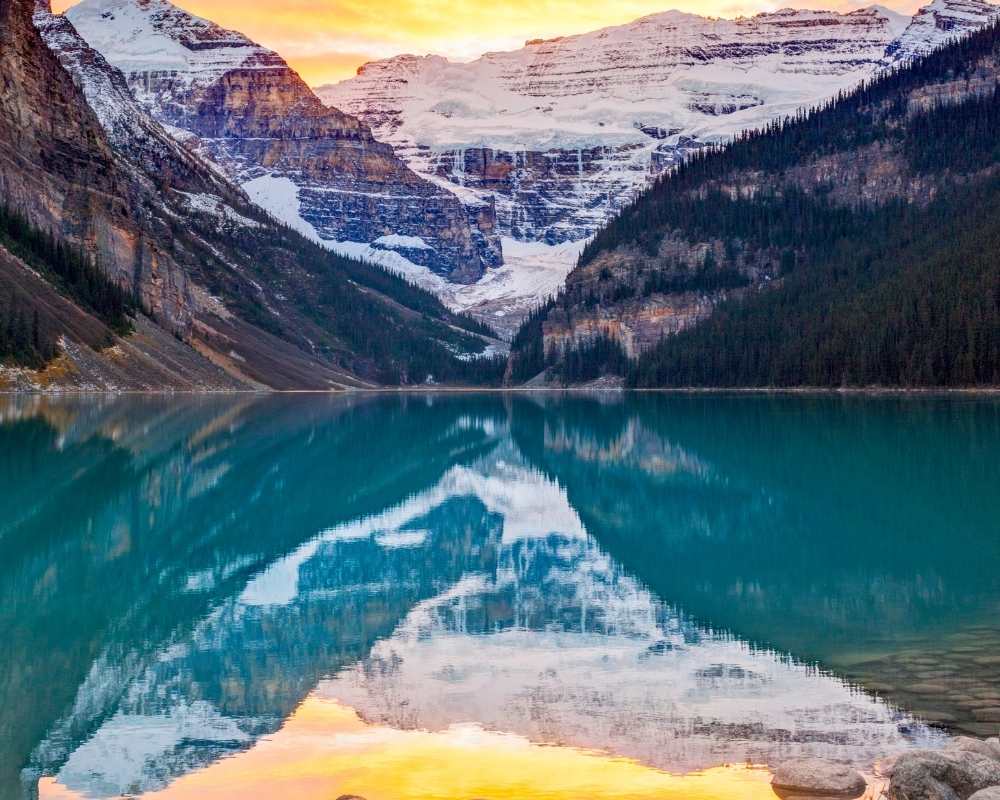
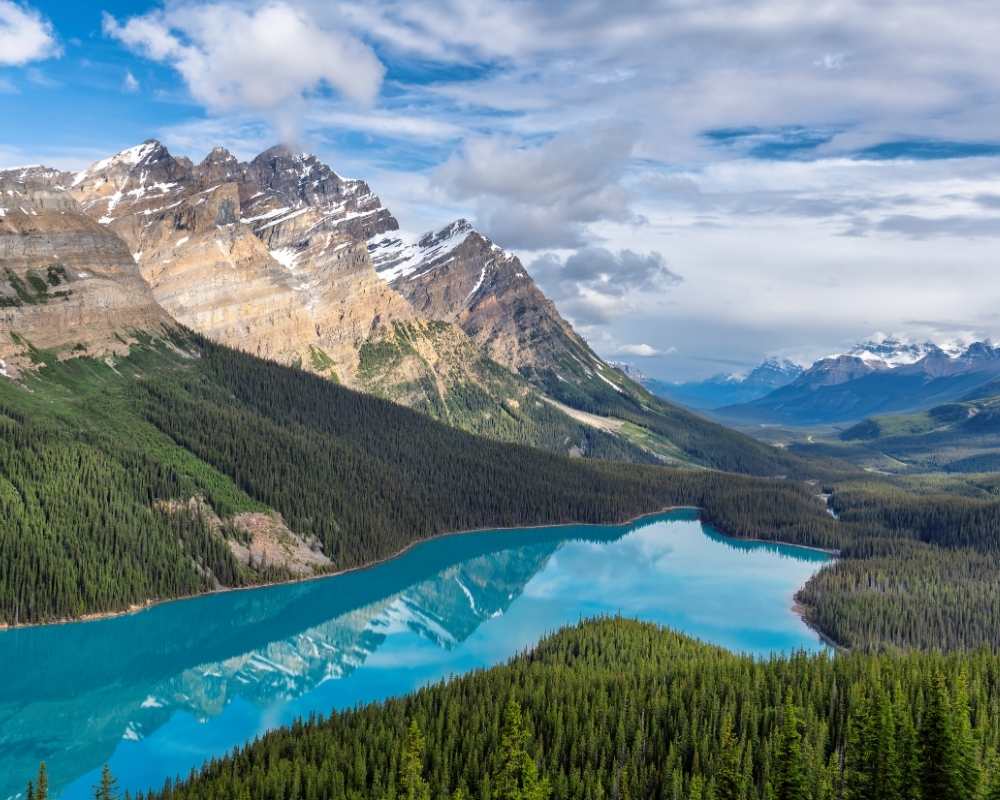
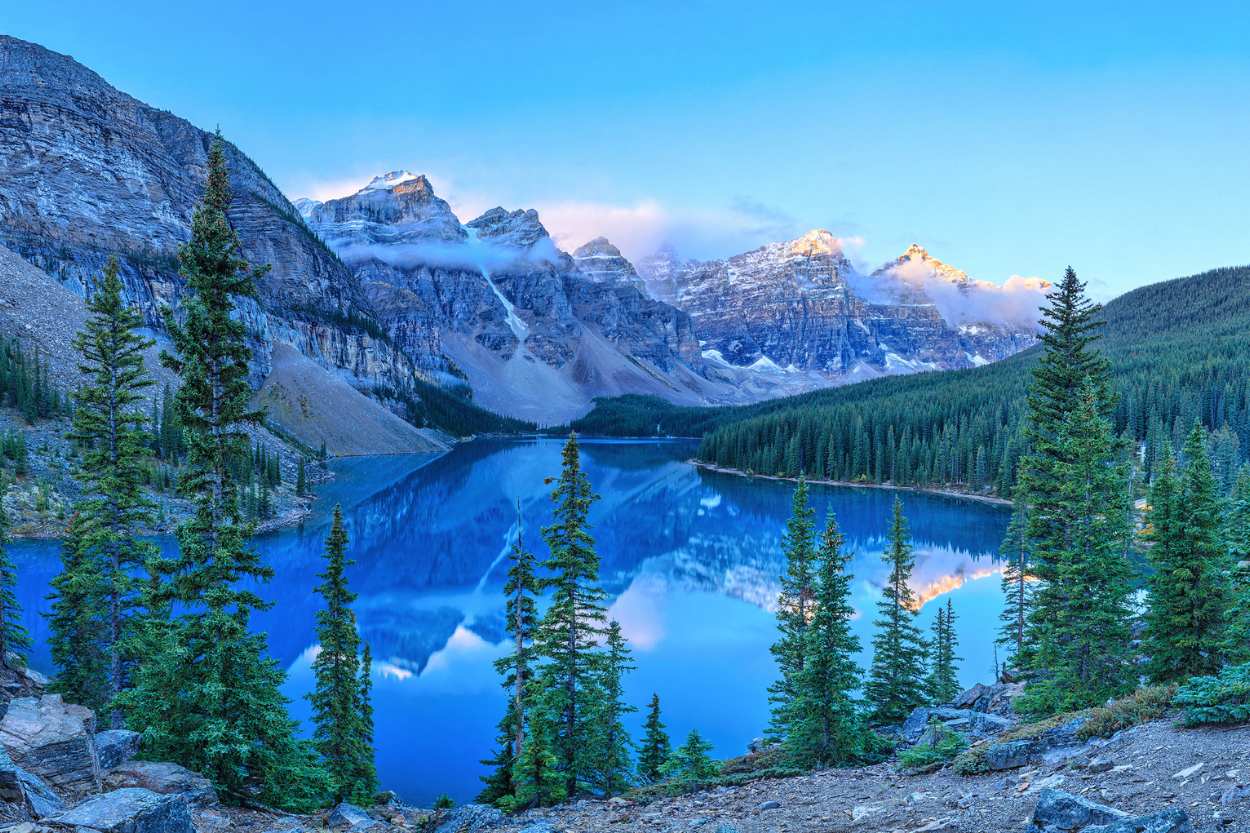
Canada is a country you feel more than you rush. Snow-capped mountain ranges stretch for hours, glacier-fed lakes glow in impossible shades of turquoise, and cities rise beside water and wilderness in a way that feels both powerful and calm.

It’s a destination built on space, space between regions, space in the landscapes, and space within the journey itself. Travelling here means allowing transitions to unfold. Whether you’re crossing the Rockies by coach through alpine highways, watching the scenery shift from a panoramic rail carriage, or pairing inland mountains with a coastal Alaska cruise, Canada rewards thoughtful pacing.

Capital:

Ottawa

Languages:

English & French

Population:

Approx 40 million

Driving Side

Right-hand side

Currency:

Canadian Dollar (CAD)

Time Zones:

Six (Pacific to Atlantic)

Electricity:

120V | Plug types A & B

Tipping

15–20% in hospitality

Why Visit Canada?

Canada offers a rare mix of natural power and urban sophistication.

  • Turquoise glacier-fed lakes in the Rockies
  • Scenic rail and coach journeys through mountain passes
  • Wildlife including bears, moose, and whales
  • French-influenced culture in Québec
  • Cosmopolitan cities like Vancouver and Toronto
  • Glacier cruising along Alaska’s Inside Passage
  • National parks with space to breathe and explore
Canada

Top Places to Explore

Explore our current and upcoming hosted group trips, each designed to offer incredible experiences, great company, and seamless planning.

The Canadian Rockies

Banff, Lake Louise, and Jasper are the visual heart of Canada. Expect snow-dusted peaks even in early summer, emerald and turquoise lakes, alpine towns built around mountain culture, and wildlife that appears unexpectedly along highways and forest edges. This region is best experienced slowly, allowing time for scenic stops and short walks.

Niagara Falls

Toronto & Niagara Falls

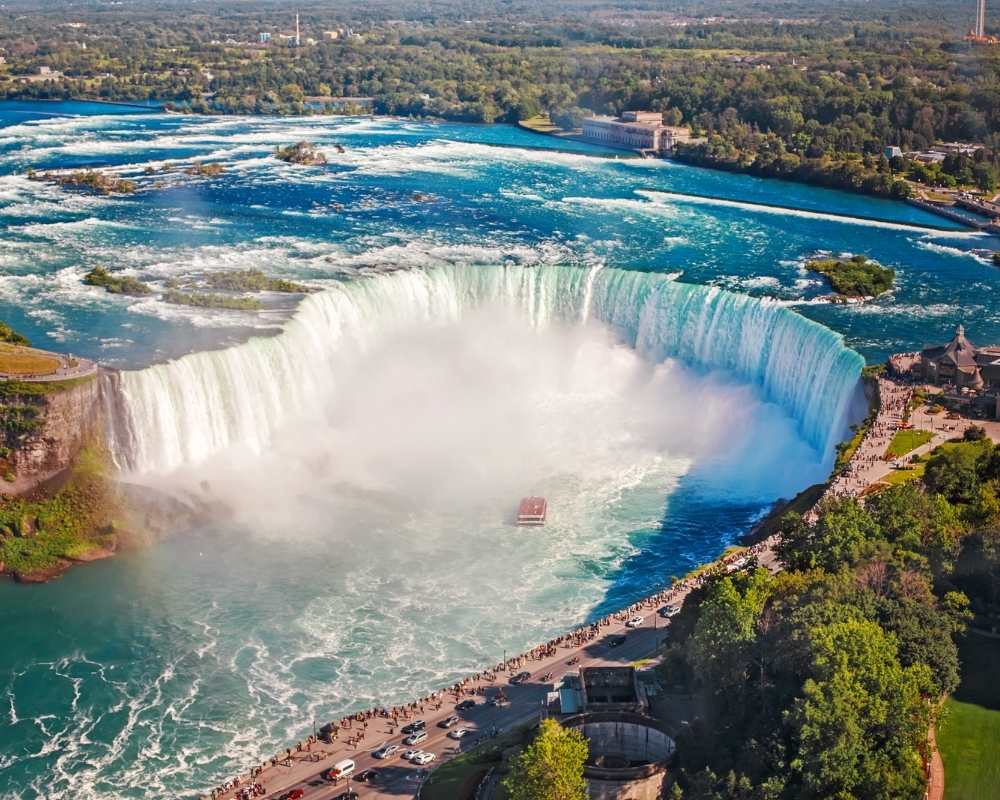
Niagara Falls is one of those rare global icons that truly feels powerful in person. The sound, the mist, and the sheer volume of water create an unforgettable experience. Many travellers base themselves in Toronto, combining the falls with a dynamic city known for diverse neighbourhoods, museums, and one of North America’s most varied food scenes.

Vancouver

Vancouver & West Coast

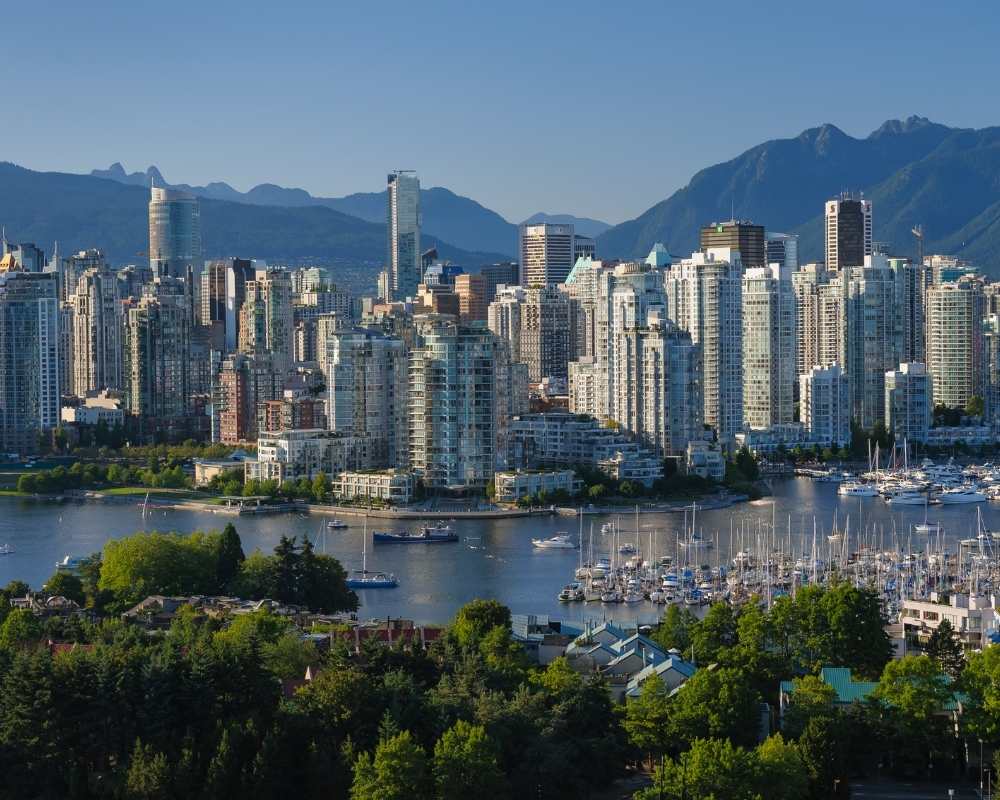
Vancouver sits between mountains and ocean, offering skyline views, waterfront walking paths, and a strong outdoor culture. Beyond the city, Vancouver Island and the Pacific coastline introduce rugged forests, whale watching, and smaller coastal communities with a relaxed pace.

Québec City

Montréal & Québec City

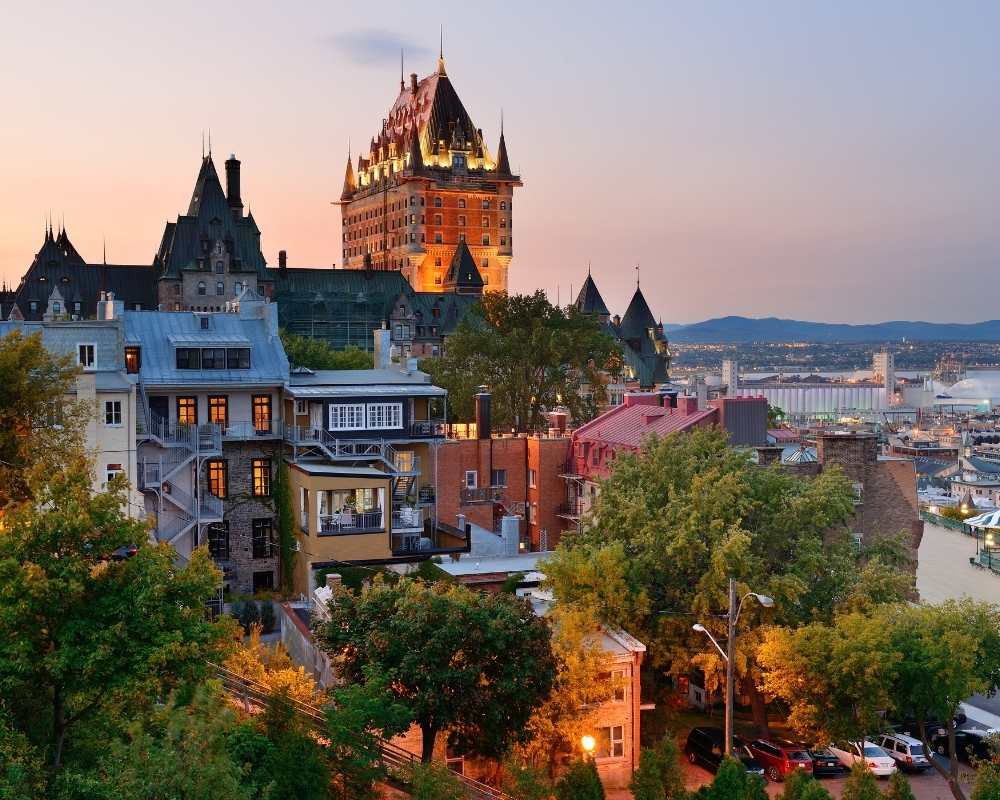
These eastern cities showcase Canada’s French identity. Montréal feels creative and energetic, known for its café culture, festivals, and arts scene. Québec City leans into its historic character, with fortified walls, cobblestone streets, and architecture that feels distinctly European.

Practical Travel Information

Canada is vast, and distances between regions are significant. Most travellers combine internal flights, scenic rail journeys, or organised coach touring rather than relying solely on public transport. Cities like Vancouver, Toronto, and Montréal have good local transport systems, but travel between provinces usually requires flights or structured road travel.

Canada is broadly comparable to Australia in daily costs. Accommodation and dining in peak summer or national park regions can be higher. Credit cards are widely accepted; tipping at 15–20% is expected.

Budget Traveller: $180–$250 per day
Hostels or simple hotels, public transport, casual dining.

Mid-Range Traveller: $350–$500 per day
Comfortable hotels, guided activities, dining out, organised day tours.

Premium Traveller: $600+ per day
High-end stays, private transfers, premium excursions, scenic rail upgrades.

Prices increase during peak summer (June–September).

Canada’s food scene reflects its multicultural population. You’ll find everything from French-inspired cuisine in Québec to fresh Pacific seafood on the West Coast. Dining is relaxed but professional, and reservations are recommended in busy periods. Portions are often generous.

Canadians are known for politeness and respect. Punctuality matters, queueing is orderly, and personal space is valued. In Québec, basic French greetings are appreciated even if conversations continue in English.

Wi-Fi is widely available in hotels, cafés, and airports. Mobile coverage is strong in cities and towns, though signal can drop in remote mountain or wilderness areas. Many travellers purchase a local SIM or use international roaming for convenience.

English is spoken throughout most of Canada. In Québec, French is the primary language. A few simple words can be helpful:

  • Hello – Bonjour
  • Thank you – Merci
  • Please – S’il vous plaît
  • Yes – Oui
  • No – Non

Even a small effort is appreciated.

First-Time Traveller Essentials

Australian passport holders typically require an Electronic Travel Authorisation (eTA) for short stays when flying into Canada. Applications are completed online before departure. Always confirm official requirements prior to travel.

Canada consistently ranks as one of the safest countries in the world for travellers. Cities are well organised and infrastructure is strong. In wilderness regions, awareness of wildlife and weather conditions is more important than personal security concerns.

Allow 10–14 days for one region such as the Rockies. Combining east and west Canada realistically requires 3+ weeks.

The Canadian Rockies and Vancouver are popular starting points for first-time visitors seeking dramatic scenery. Eastern Canada, including Toronto and Québec, offers culture, history, and Niagara Falls.

Most iconic sights are accessible without strenuous hiking. Scenic drives, short walks, boat cruises, and lookouts are common. More adventurous options exist, but they are not required to experience the highlights.

Weather varies significantly by region and season. Summer days are mild, but evenings in the mountains can be cool. Winter brings snow and freezing temperatures in many regions. Layered clothing is essential year-round.

Trying to cover too many regions in one trip

  • Underestimating travel distances
  • Booking peak summer travel too late
  • Forgetting that mountain weather changes quickly

Allowing a realistic pace makes a noticeable difference to the experience.

Top Foods to Try

Poutine

A classic Québec dish of fries topped with cheese curds and gravy.

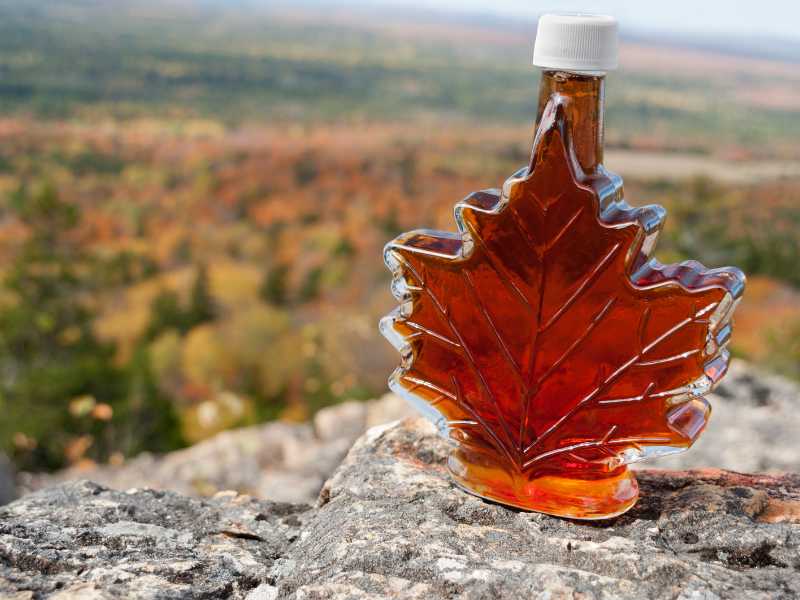
Maple Syrup

Used in desserts, breakfast dishes, and savoury glazes.

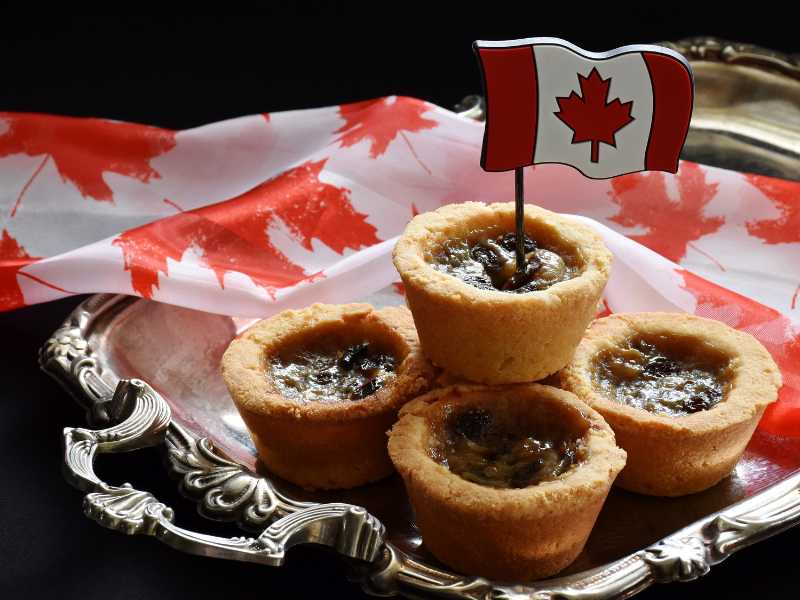
Butter Tarts

A traditional sweet pastry found across Ontario

Tourtière

French-Canadian meat pie, especially popular in winter.

Packing Guide

  • Comfortable walking shoes
  • Layered clothing (even in summer evenings)
  • Waterproof jacket
  • Warm layer for mountain regions
  • Power adaptor (Type A/B)
  • Small daypack
  • Sunglasses and sunscreen
  • Weather can shift quickly in alpine regions.

Facts & Local Laws

  • Canada has more lakes than the rest of the world combined.
  • It spans six time zones.
  • In Québec, French language laws require commercial signage to prioritise French.
  • National parks require entry passes.
  • Ice wine production is regulated and protected as a Canadian specialty.

Insider Tips

  • Book Rockies travel well in advance for summer departures.
  • Distances look manageable on a map but require full travel days.
  • Mountain weather changes quickly, pack layers.
  • Wildlife sightings are never guaranteed.
  • When combining Canada and Alaska, allow buffer days between connections.

Seasonal Travel Overview

Canada’s travel experience changes significantly with the seasons. Because of the country’s size, weather patterns and regional access vary more than many first-time visitors expect. Summer offers the widest access to national parks and alpine regions, while shoulder seasons bring quieter cities and different natural highlights. Winter transforms parts of the country entirely, appealing to travellers seeking snow-covered landscapes and seasonal activities. Choosing when to visit depends on what kind of experience you want,  outdoor exploration, cultural city breaks, or winter scenery.

Spring (April–May): A transitional season with fewer crowds and variable weather. Mountain regions may still have snow, while cities begin to warm & festivals start to return.

Summer (June–September): Peak travel season. Long daylight hours, accessible national parks, and ideal conditions for rail journeys, coach touring, and wildlife viewing.

Autumn (September–October): Cooler temperatures and beautiful fall foliage, particularly in eastern provinces. A quieter, more relaxed period for travel.

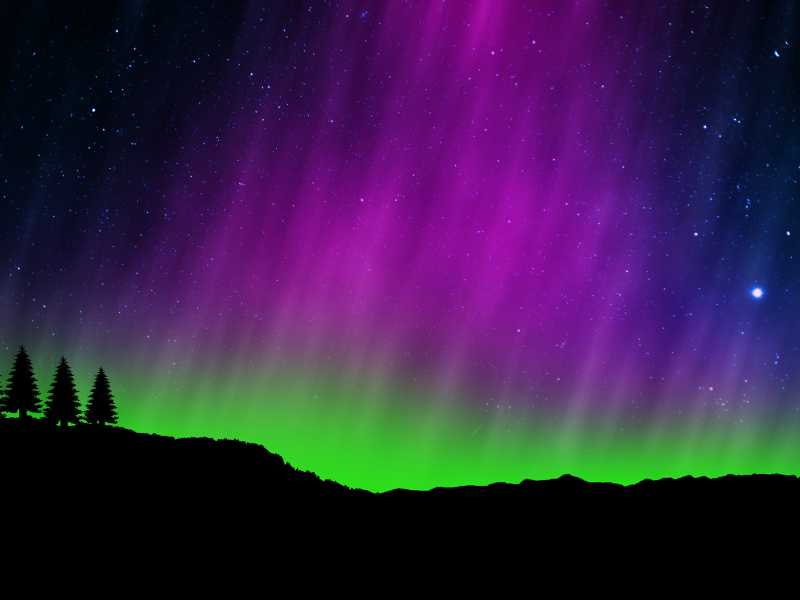
Winter (December–March): Snow-covered landscapes, ski season in the Rockies, and opportunities to experience winter festivals and northern lights in select regions.

Highlights Of Canada

Calgary Stampede

Rocky Mountains

Lake Louise

Canada Travel FAQ

Canada is best known for its vast natural landscapes,  particularly the Rocky Mountains, glacier-fed lakes like Lake Louise, and Niagara Falls. It’s also recognised for its national parks, wildlife (including bears, moose, and whales), and multicultural cities such as Toronto and Vancouver. In the east, Québec offers a strong French cultural identity that gives Canada a distinctly European influence in parts of the country.

Canada is generally comparable to major Australian cities in terms of cost. Accommodation and dining in large cities and national park regions can be higher, especially during peak summer (June–September). Rural areas may have fewer budget options, which can increase average costs. Planning ahead and travelling outside peak season can help manage expenses.

Canada consistently ranks as one of the safest countries in the world for travellers. Violent crime rates are low, and infrastructure is reliable. As with any destination, normal precautions apply in major cities, particularly around busy tourist areas. In wilderness regions, safety is more about environmental awareness, particularly around wildlife and changing weather conditions.

Australian passport holders typically require an Electronic Travel Authorisation (eTA) for short tourist visits when flying into Canada. The application process is completed online and is usually straightforward. Entry requirements can change, so it’s important to check official government sources before departure.

Flights from Australia to Canada typically take 14–16 hours non-stop to Vancouver, with longer travel times if connecting to eastern cities like Toronto or Montréal. Most travellers arrive in the morning and adjust within a couple of days. Planning a lighter first day helps ease jet lag.

Wildlife sightings are possible, especially in the Rockies and national parks, but never guaranteed. Bears, elk, moose, and deer are commonly spotted during summer months. Whale watching is popular on the West Coast. Patience and early morning travel increase your chances.

Canada is a large country and distances between regions are significant. Allow at least 10–14 days to explore one major area, such as the Canadian Rockies. Combining eastern and western Canada realistically requires three weeks or more. Trying to cover too much in a short time often leads to long travel days and less time enjoying each destination.

No. Summers (June–September) are generally mild and comfortable, especially in the Rockies. Daytime temperatures are pleasant, though evenings can be cool. Winter is cold and snowy in many regions, particularly in mountain areas.

Yes. Tap water is safe to drink in cities and most regions across Canada. In very remote wilderness areas, untreated water sources should not be consumed without proper filtration.

English is the primary language in most provinces. In Québec, French is the official language and widely spoken, though English is commonly understood in tourist areas and major cities like Montréal. Road signs and official information in Québec are predominantly in French.

Travel insurance is strongly recommended. While Canada has excellent healthcare facilities, medical treatment for visitors is not free and can be costly. Insurance is particularly important for outdoor activities, remote travel, and cruise combinations.

Very much so. Canada’s appeal lies in scenic journeys, comfortable cities, and well-developed tourism infrastructure. Travel is generally smooth, and coach or rail journeys allow you to experience vast landscapes without physical strain.

Upcoming Hosted Journeys

Explore our current and upcoming hosted group trips, each designed to offer incredible experiences, great company, and seamless planning.

Canadian Rockies & Alaskan Cruise with Niagara Falls

Canadian Rockies & Alaskan Cruise with Niagara Falls

Join our 20-day Canadian Rockies & Alaskan Cruise with Niagara Falls hosted group journey and experience Canada from west to east. Explore the alpine beauty of Banff and Lake Louise, cruise the breathtaking Alaska Inside Passage, and witness the power of Niagara Falls, all with the confidence and ease of travelling together.
Ready to Explore Canada?

Canada is best experienced with thoughtful planning. The distances, seasons, and travel style make a real difference.

Whether you’re joining a hosted group journey or creating something tailored, we’ll help shape a trip that feels seamless, balanced, and memorable.

Explore Our Travel Blogs

Inspiration, insider knowledge, and useful advice to help you experience each destination properly.

Northern Lights Tours: Discover the Magic of the Nordic Winter

Northern Lights Tours: Discover the Magic of…

Under the dancing aurora, every moment feels extraordinary. From Iceland’s glaciers to Finland’s glass-roof cabins, this northern…

Stress Free Group Travel: Explore With Ease and Connection

Stress Free Group Travel: Explore With Ease…

Stress free group travel turns complicated holidays into effortless adventures. With small groups, expert hosts, and thoughtful…

Best Month to Cruise the Caribbean

Best Month to Cruise the Caribbean

Wondering about the best month to cruise the Caribbean? Discover when weather, crowds, and island life all…