Travel Experiences
European Christmas Markets: What Changes When You Travel by River
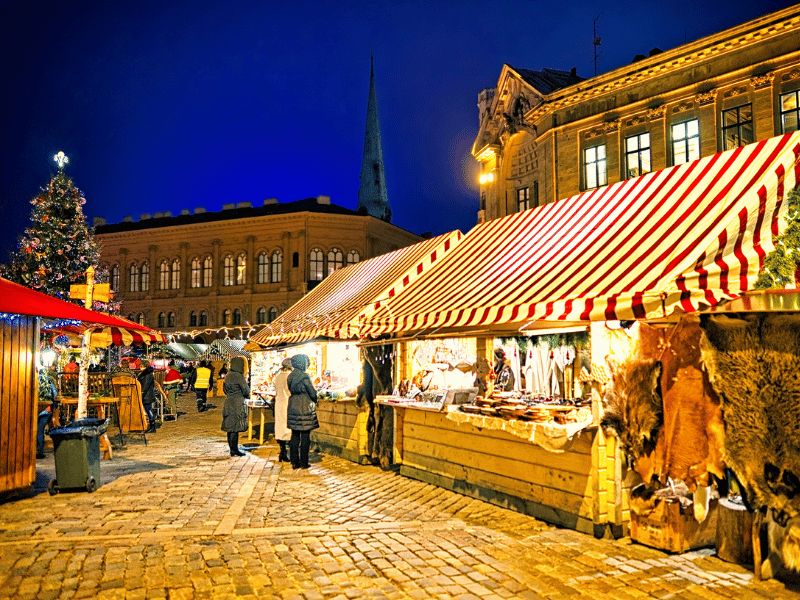
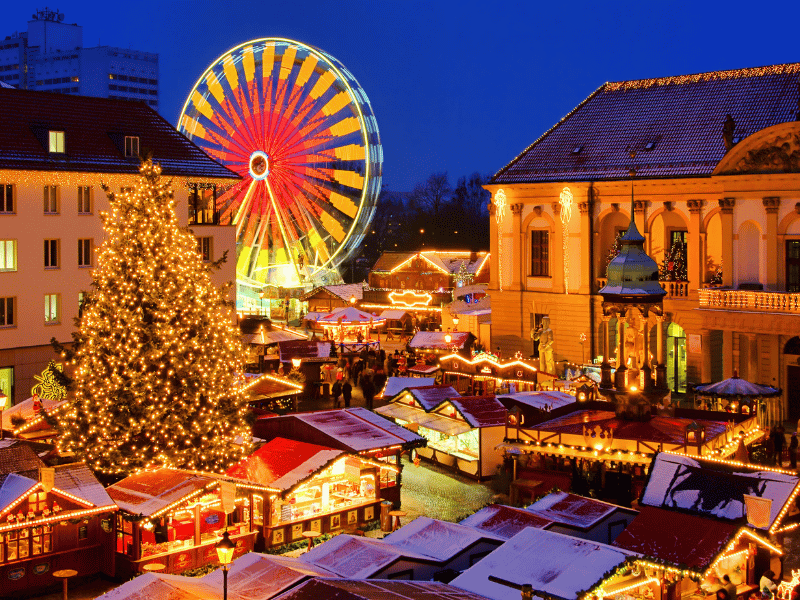
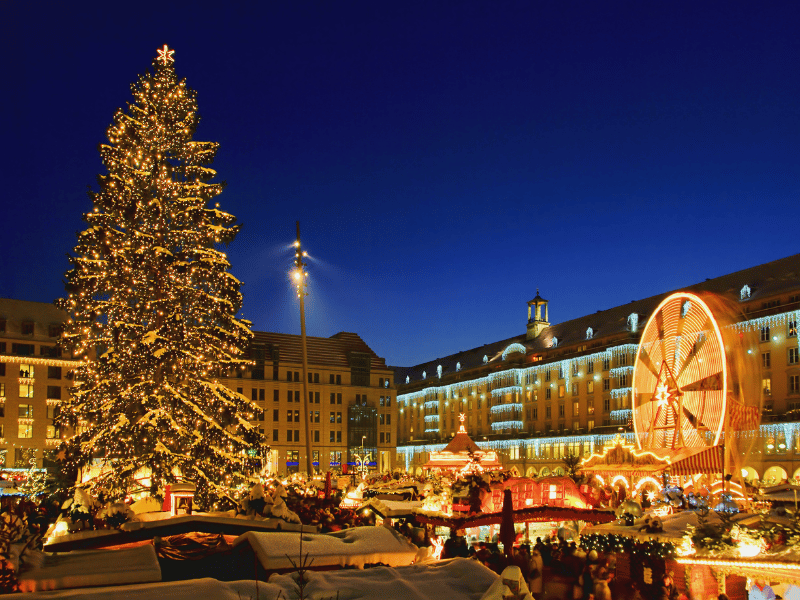
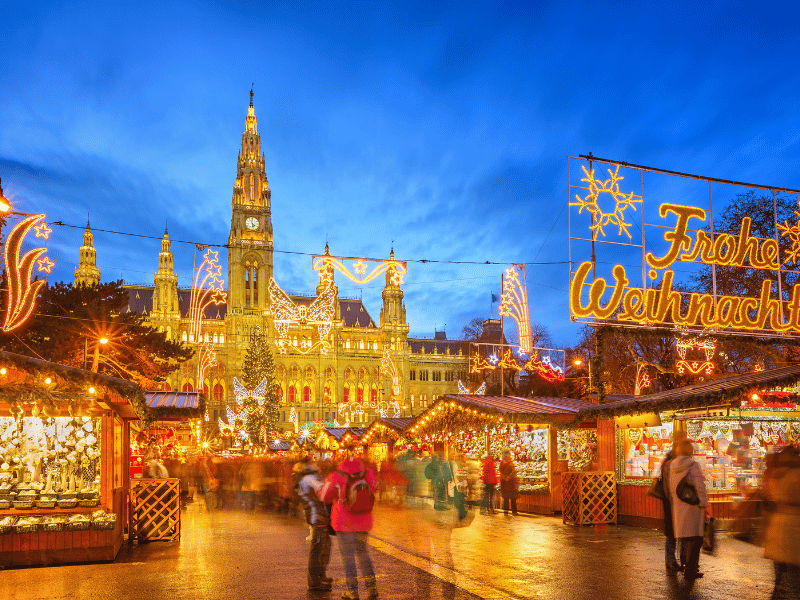
European Christmas Markets have a familiar pull. Travellers often imagine timber stalls glowing after dark, old town squares dressed for winter, handmade decorations, warm pastries and the scent of spice in the cold air. These images are part of the appeal, but they only show one part of the experience.
The way travellers move between the markets can change how the whole journey feels. Visiting one city’s festive market is memorable. Moving through several cities and towns by river creates something more gradual. The markets are still the reason to go, but the journey between them starts to carry its own meaning.
Travelling by river changes the experience because the markets no longer feel like separate stops. They become part of one winter journey, moving from Budapest towards Amsterdam through historic cities, smaller river towns and long-held festive traditions. The route feels less like a checklist and more like a story unfolding place by place.
Recent Post
-
01 Sep 2026Petra Jordan: What Travellers Often Miss Beyond the Treasury -
01 Sep 2026European Christmas Markets: What Changes When You Travel by River -
14 May 2026Travel Agent vs Online Booking: Which Makes More Sense for Complex Travel? -
14 May 2026Best Time to Visit Canada and Alaska for a Well-Paced Journey
More than markets on a map
European Christmas Markets are often spoken about as destinations to collect. Travellers compare cities, famous squares, market traditions and seasonal food. That can be useful, but it can also make the experience sound more separate than it feels on the ground.
A river journey changes that. Each stop still has its own character, yet the movement between places becomes part of the memory. Travellers return from a market in the evening, settle back into a familiar space, and wake to a new riverside setting without having to reset the whole journey.
That matters in winter. Cold weather, shorter days and busy festive streets can make constant travel feel more tiring than expected. When the movement feels smoother, travellers have more attention left for the small things: a warm drink held between cold hands, music drifting from a square, or the first view of a town lit for the season.
A route that builds rather than repeats
A Budapest to Amsterdam river journey works because the route does not rely on one version of festive Europe. It moves through places that share a season, but not the same mood. Grand cities, smaller towns, riverside villages and historic centres each add something different.
This is important because Christmas market travel can easily become repetitive if the route is not well paced. Stall after stall can blur together if every stop feels too similar. A stronger journey gives contrast. One city may feel elegant and formal, while another feels intimate and local. One town may be remembered for its setting, while another stays with travellers because of its food, music or old streets.
The planned Travel Connex journey uses that contrast well. It begins in Budapest, moves through Vienna and a series of historic river towns, then continues into Germany before finishing in Amsterdam. The direction gives the journey a natural sense of progression, without turning the experience into a rushed tour of market names.
Budapest and Vienna bring the first contrast
Budapest gives the journey a strong opening. It has a sense of scale, with grand architecture, river views and public spaces that suit the festive season. The city does not feel delicate or quiet at first. It feels layered, lively and full of presence.
During winter, that atmosphere changes. Festive lights soften the city’s edges, and the markets bring warmth into the cold. Travellers may notice the contrast between large buildings, open squares and the smaller details of market life. That first stop sets the tone by showing that European Christmas Markets are not only about shopping or decoration. They are also about how a city gathers in winter.
Vienna brings a different feeling soon after. Its festive atmosphere is more polished, shaped by grand squares, cafés, music and elegant streets. The markets here often feel closely tied to the city’s architecture. A cup of coffee, a slow walk and a decorated square can feel just as important as the market stalls themselves.
Together, Budapest and Vienna make the early part of the journey feel varied rather than repeated. One city opens the experience with energy and warmth. The other adds elegance and structure. That contrast helps the route begin with depth.
Smaller river towns make the season feel close
The famous cities may attract attention first, but smaller towns can often hold the quieter memories of a Christmas market journey. Places such as Dürnstein, Passau, Regensburg, Bamberg, Würzburg, Miltenberg, Wertheim and Rüdesheim offer a different scale. They do not need to impress through size.
In smaller towns, the season can feel closer. Streets narrow. Buildings lean into the atmosphere. A market may sit beside a church, a town square or a riverside street where the setting does much of the work. Travellers can often absorb these places more easily because they do not have to work so hard to find the mood of the town.
These stops also change the pace. After larger cities, a smaller town gives the journey room to breathe. There is time to notice painted façades, shop windows, stone lanes, local decorations and the way festive traditions sit inside everyday places. This is where a river journey can feel especially rewarding, because it gives travellers access to towns that may not be the first names they search for, but may still be the places they remember most clearly.
Germany gives the markets their traditional weight
As the journey moves through Germany, the Christmas market tradition starts to feel especially established. This part of the route has strong festive depth, not only because of famous markets, but because the season feels woven into the towns and cities themselves.
Nuremberg brings major recognition. For many travellers, it is one of the names closely associated with European Christmas Markets. Its market tradition gives the journey a clear festive anchor. Cologne brings a different kind of impact, with the cathedral creating a powerful backdrop to the city’s winter atmosphere.
Between those larger names, German towns add texture. Würzburg, Bamberg, Rüdesheim and other stops help the route feel full without relying only on major cities. The experience becomes richer because travellers see the season at different scales: iconic, local, grand, intimate and relaxed.
This is where the value of the route becomes clearer. The river holds the journey together, but each destination keeps its own identity. Travellers are not seeing the same market again and again. They are seeing how one season can feel different across neighbouring places.
The river changes the in-between moments
The biggest difference may not be the markets themselves. It may be the time between them. On a land-based journey, travel days can break the rhythm. Bags need to move, hotel rooms change, transfers take energy, and each arrival starts again.
By river, the journey feels steadier. Travellers can go ashore, spend time in a festive city or town, then return to a familiar setting at the end of the day. The next destination arrives without the same sense of disruption. This does not remove travel from the experience. It makes travel feel less separate from the experience.
Scenic stretches such as the Wachau Valley and Rhine Valley add to that feeling. The river is not only a way to move forward. It gives travellers another view of Europe in winter, passing hills, villages, old buildings and riverside scenes at a slower pace. Instead of filling the spaces between destinations with logistics, the journey fills them with atmosphere.
That rhythm suits European Christmas Markets particularly well. The markets can be busy and full of detail. A calmer base gives travellers time to enjoy them without feeling worn down by the mechanics of moving across Europe.
Amsterdam softens the final note
Amsterdam works best as a gentle ending rather than another market centre trying to outshine the rest of the route. Its charm is different. Canals, bridges, winter lights and relaxed streets bring the journey to a softer close.
After Budapest’s energy, Vienna’s elegance, Germany’s market traditions and the smaller river towns, Amsterdam changes the texture again. It feels lighter and less ceremonial. The city’s appeal sits in movement, reflection and atmosphere: lights on water, narrow houses, evening walks and the sense of arriving somewhere that lets the journey settle.
This kind of ending matters. A strong journey does not only need memorable stops. It needs a final mood that helps travellers understand what they have just experienced. Amsterdam gives the route space to land.
So what changes when travellers experience European Christmas Markets by river? The markets remain the heart of the journey, but the river changes how they connect. It gives the route rhythm, softens the travel days, and allows each destination to feel like part of a larger winter experience.
For travellers drawn to festive Europe but unsure about navigating multiple cities, hotels and transfers on their own, this style of journey offers a calmer way to experience the season. Travel Connex’s upcoming European Christmas Markets River Cruise is being shaped around that idea: a hosted journey where the markets, river towns and winter cities can be experienced with more ease and connection.
That is the real difference. Travellers are not only moving from market to market. They are moving through festive Europe in a way that feels considered, continuous and easier to enjoy. Budapest begins the story, Vienna adds elegance, the smaller towns slow the pace, Germany deepens the tradition, and Amsterdam brings the journey to a thoughtful close.

Continue reading
Planning travel in 2026? Discover destinations that offer culture, nature, and deeper connection. This guide highlights meaningful places Australians are…
-
01 Sep 2026Petra Jordan: What Travellers Often Miss Beyond the Treasury -
01 Sep 2026European Christmas Markets: What Changes When You Travel by River -
14 May 2026Travel Agent vs Online Booking: Which Makes More Sense for Complex Travel? -
14 May 2026Best Time to Visit Canada and Alaska for a Well-Paced Journey