Travel Experiences
Petra Jordan: What Travellers Often Miss Beyond the Treasury
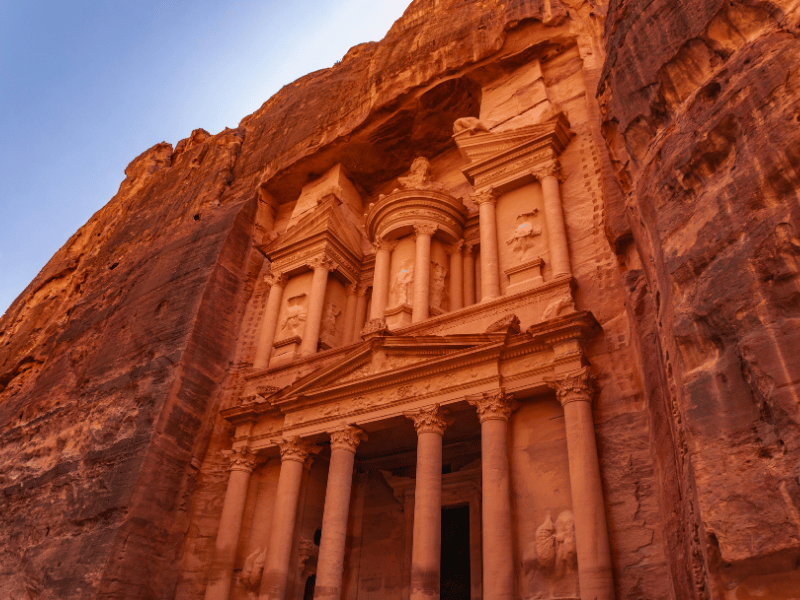
Petra is one of those places many travellers recognise before they understand it. The image is familiar: a narrow passage of stone, a sudden opening, and the carved face of the Treasury appearing at the end. For many people, Petra Jordan begins with that one view.
That first view deserves its reputation. It is dramatic, beautiful and difficult to forget. Yet Petra becomes more interesting when travellers know that the Treasury is not the whole story. It is the beginning of a much larger ancient city, shaped by trade, desert geography, water systems, carved architecture and the movement of people over many centuries.
That is the part travellers often miss from a distance. Petra is not simply a monument to stand in front of. It is a place that reveals itself slowly. The more time and context travellers bring to it, the more the city begins to make sense.
Recent Post
-
01 Sep 2026Petra Jordan: What Travellers Often Miss Beyond the Treasury -
01 Sep 2026European Christmas Markets: What Changes When You Travel by River -
14 May 2026Travel Agent vs Online Booking: Which Makes More Sense for Complex Travel? -
14 May 2026Best Time to Visit Canada and Alaska for a Well-Paced Journey
The famous photograph is only the doorway
Most travellers first know Petra through the Treasury, also called Al Khazneh. It appears on travel posters, postcards and documentaries, and it often becomes the reason people first feel drawn to Jordan. The façade is so recognisable that it can seem to represent the whole site before travellers arrive.
That expectation is understandable, but it can narrow the experience. The Treasury is extraordinary, yet it is only one carved monument within a much wider archaeological landscape. Travellers who stop their attention there may miss the scale, movement and story that continue beyond it.
The better way to understand Petra is to treat the famous view as an introduction. It draws people in, but it does not explain the city by itself. The real value comes from moving beyond recognition and noticing how much more sits past the first photograph.
The Siq prepares travellers before the reveal
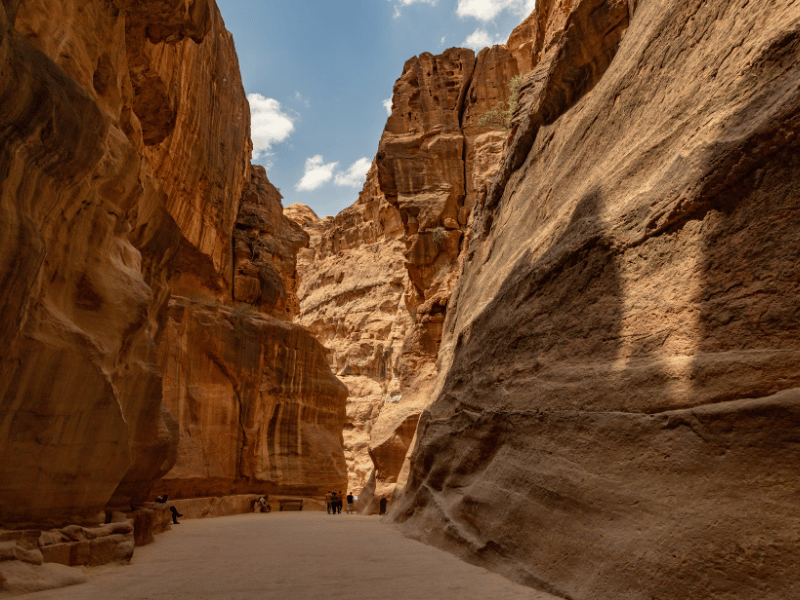
Before travellers reach the Treasury, they move through the Siq. This narrow gorge is not just the path into Petra. It is part of the experience itself. The high rock walls, changing light and winding passage create a slow sense of arrival that makes the first glimpse of the Treasury feel even more powerful.
The Siq also changes the way Petra is understood. It shows how closely the city is tied to its landscape. Rock, shade, distance and direction all shape the approach before the main monuments appear.
This is one reason Petra feels different from many historic sites. The entrance is not separate from the story. It narrows attention, slows the pace and makes the reveal feel earned.
The Treasury is a beginning, not the full stop
When the Siq opens and the Treasury appears, it can feel like the moment travellers came for. In many ways, it is. The scale, detail and placement of the façade make it one of the most memorable sights in the region.
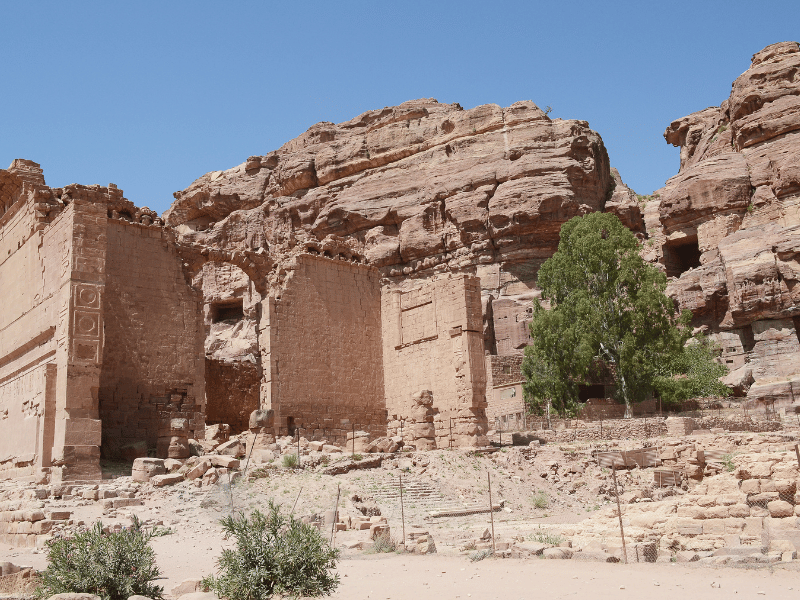
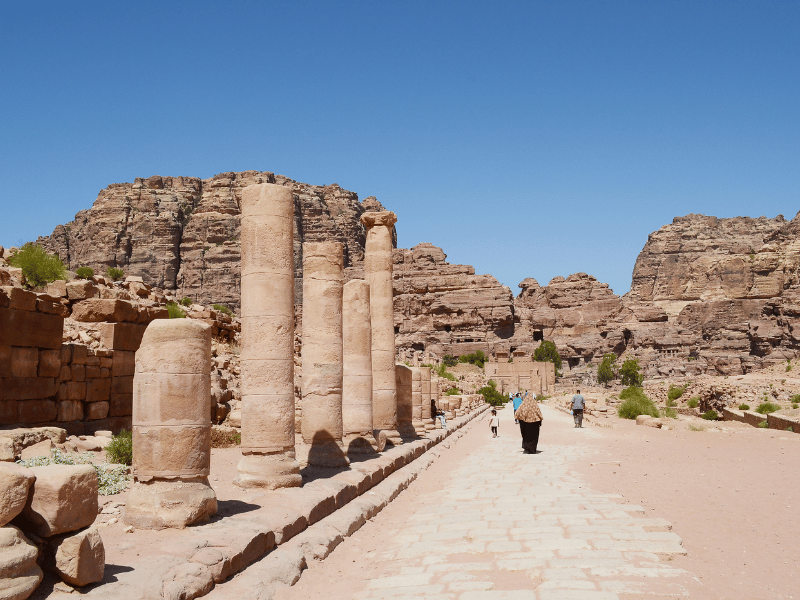
Still, stopping the story there makes Petra too small. Beyond the Treasury, the main route continues through a much larger site, with tombs, pathways, carved façades, open spaces and traces of the ancient city’s structure. This is where travellers begin to understand that Petra was not created for one viewpoint.
The Treasury gives Petra its most famous face. The wider site gives it depth. Together, they show why Petra needs more than a quick look. The first moment may be visual, but the fuller experience is built through movement.
Petra was a city built for movement and survival
Petra was shaped by the Nabataeans, whose position in the region helped connect trade routes across Arabia, Egypt and the wider region. This context changes how travellers read the site. Petra was not only built to impress. It also had to function.
The city’s location made it important. Its architecture, water systems and carved spaces reflect people who understood the desert environment and knew how to work with it. Water channels, cisterns, tombs, temples and routes through the landscape all point to a place designed around survival, trade, ceremony and daily life.
This makes Petra more layered than the word “ruins” can suggest. Travellers are not only looking at what remains of old buildings. They are looking at evidence of a city that managed movement, resources, belief and landscape in a demanding setting.
The scale only becomes clear with time
Petra can surprise travellers with its size. The most famous images make the site look concentrated around the Treasury, but the ancient city spreads far beyond that first reveal. Pathways, viewpoints, tombs and monuments continue through the landscape, and each area changes the way the site feels.
This is why time matters. A rushed visit can still be impressive, but it may leave Petra feeling like one famous façade and a few surrounding ruins. With more time, travellers can see how the different parts relate to one another. The site starts to feel less like a single attraction and more like a city with layers, routes and purpose.
Petra also asks for physical awareness. Surfaces can be uneven, distances may feel longer than expected, and the open landscape can feel warm or exposed depending on the season. Travellers do not need to overthink the visit, but they do need to understand that Petra rewards steady pacing.

The stone changes the mood of the place
Petra’s carved architecture is part of its identity, but the surrounding stone is just as important. The colours shift with light, shade and time of day. Pink, red, gold and brown tones appear differently as travellers move through the site. This gives Petra a changing quality that photographs can only partly capture.
The rock also helps explain why the city feels so connected to its setting. Monuments do not sit on top of the landscape as separate objects. Many are cut into it. The city seems to emerge from the cliffs, which gives Petra its distinctive character.
This is where the landscape becomes more than background. The desert setting, stone walls, open spaces and carved façades all work together. Travellers who look beyond the main monuments often find that Petra’s atmosphere comes as much from the land as from the architecture.
Good context changes what travellers notice
Petra is easier to appreciate when travellers understand what they are seeing. A guide can help identify more than the famous landmarks. They can explain how the Siq functioned, why water management mattered, how trade shaped the city, and what different tombs or routes suggest about Nabataean life.
Without that context, Petra can still feel beautiful, but also overwhelming. There is a lot to take in, and many details are easy to miss. With explanation, travellers can begin to connect the carved stone, paths, landscape and history into a clearer picture.
This does not mean the visit needs to become academic. The best context helps travellers notice more without weighing the experience down. It turns Petra from a place people have seen in photographs into a city they can begin to understand.
Petra stays with travellers because it unfolds slowly
Petra Jordan is often recognised through one image, but remembered for much more. The Treasury may be the moment that draws travellers in, yet the Siq, the wider city, the carved stone, the desert setting and the human story behind it are what give the place lasting depth.
That is the important thing to understand before visiting. Petra should not be approached as a single stop for a single photograph. It is better experienced as a place that reveals itself in stages: first through the anticipation of the Siq, then through the impact of the Treasury, and finally through the realisation that the ancient city continues far beyond what most travellers first imagine.
For travellers beginning to picture a journey through Egypt and Jordan, Petra is often one of the places that makes the idea feel real. It is familiar from a distance, but far richer when there is time to move through it properly, understand its setting and take in more than the famous view. That is where a thoughtfully planned journey can make a difference, helping the destination feel less like a landmark to tick off and more like a place to genuinely experience.
Continue reading
Planning travel in 2026? Discover destinations that offer culture, nature, and deeper connection. This guide highlights meaningful places Australians are…
-
01 Sep 2026Petra Jordan: What Travellers Often Miss Beyond the Treasury -
01 Sep 2026European Christmas Markets: What Changes When You Travel by River -
14 May 2026Travel Agent vs Online Booking: Which Makes More Sense for Complex Travel? -
14 May 2026Best Time to Visit Canada and Alaska for a Well-Paced Journey